Two vehicles roll off the same assembly line, on the same day, in the same color code — and their paint is not actually identical. UV exposure, wax buildup, micro-scratches, and even the pigment batch used at the factory all move the color. That is why a bumper sprayed straight from a paint code often looks obviously wrong next to the fender it sits beside.
The paint code is only a starting point
Every color code has dozens of documented variants. We start with the code from your VIN plate, then confirm the actual color on your vehicle with a spectrophotometer reading and physical spray-out cards. From there, we tint the mix panel-by-panel until the sprayed sample disappears into the existing paint under multiple lighting conditions.
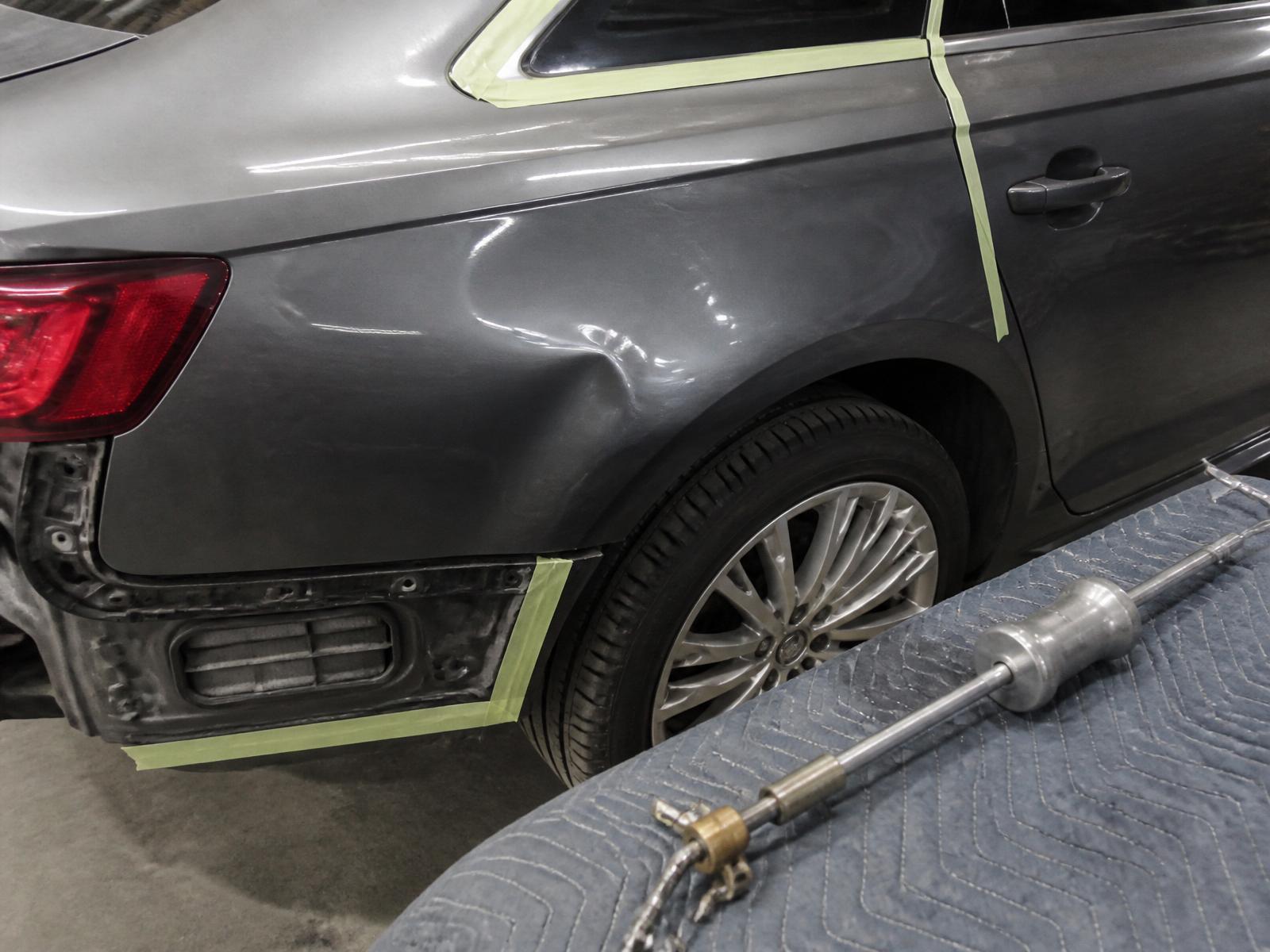
Blending is not optional on metallics
For metallics and pearls, the direction and density of the flake matter as much as the color. We blend the new paint into the adjacent panels so any tiny variation fades gradually instead of ending at a hard edge. On a rear quarter, that often means clear-coating into the roof or door.
Clear coat and cure time do the rest
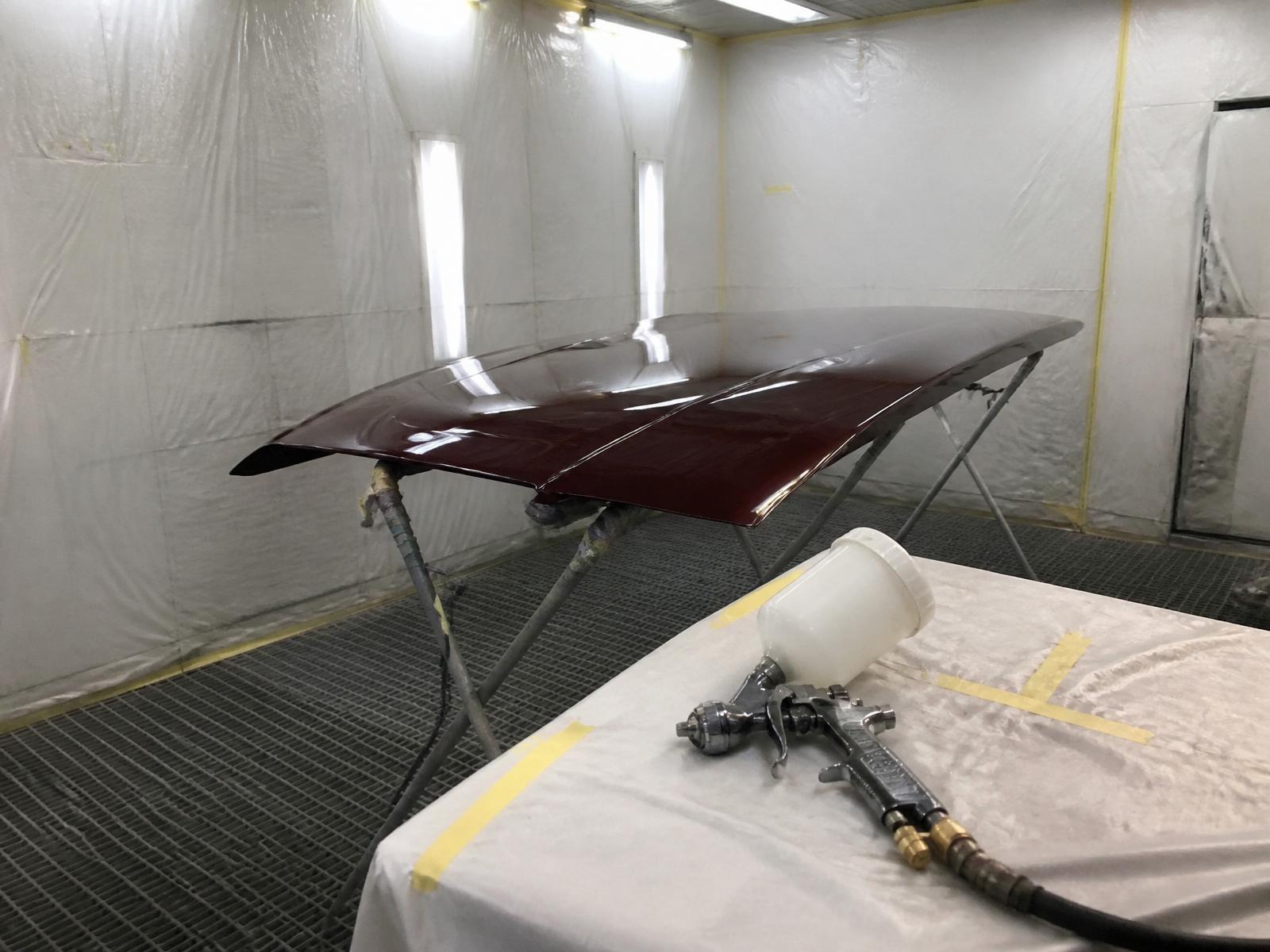
High-solids clear coat evens out the surface, adds UV protection, and locks in the depth of the color. We let every panel cure fully before wet-sanding and buffing, then hand off to QC for a final inspection under shop lights, sunlight, and shade.
The result is a repair you cannot find without knowing where to look — which is exactly the point.
Need work done on your vehicle?
Free written estimates. Direct insurance handling. Guaranteed workmanship.